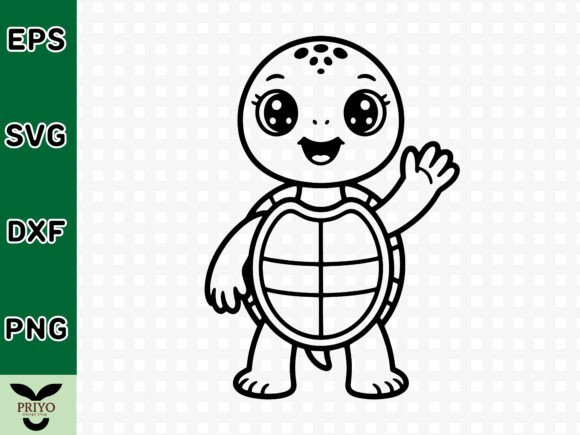
Cute Baby Penguin Waving Hand SVG
A Designer’s First Glance: Charm That Lands Gently
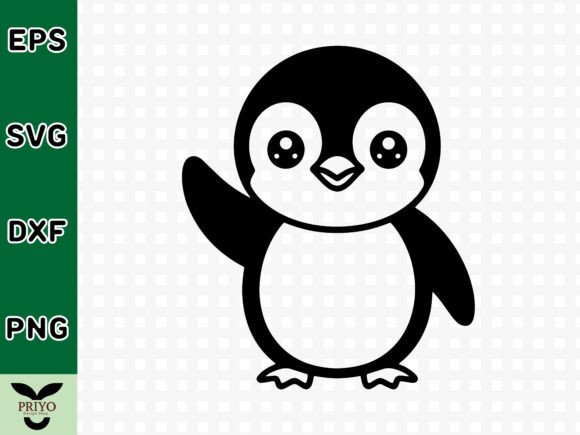
When I opened Cute Baby Penguin Waving Hand SVG, my first thought wasn’t “cute”—it was “clear.” The silhouette is friendly but not saccharine, round but not vague, and the waving gesture reads instantly—even at thumbnail size. There’s no cluttered detail, no fussy outlines or overlapping limbs. Just a soft, approachable shape with intentional negative space around the arm and belly. That simplicity isn’t accidental; it’s what makes this design feel like it belongs on real things—not just screens. As a designer who’s stitched hundreds of animal motifs for baby apparel and boutique merchandise, I immediately pictured it on a lightweight cotton onesie, a linen tea towel, or the front pocket of a handmade tote bag.
Where It Shines in Real Embroidery Projects
I tested Cute Baby Penguin Waving Hand SVG as part of a small-batch holiday collection: embroidered organic-cotton sweatshirts for a local nursery boutique. The penguin sat cleanly on the left chest—no distortion, no puckering—when paired with medium-weight cutaway stabilizer and standard 40-weight polyester thread. Its compact proportions made it ideal for sweatshirt embroidery, tote bag design, and even embroidered patch applications where clean edges matter. On baby items—think burp cloths, bibs, or pillow covers—the design’s gentle curves translated beautifully into satin stitch without needing excessive underlay. Customers responded warmly: parents loved the warmth and innocence; gift buyers appreciated how easily it read from across a craft fair booth.
It also works well for personalized gift contexts—add a name or birth date below in a simple running stitch font, and you’ve got a cohesive, hand-finished look. For Etsy sellers and small shop product lines, this design bridges playfulness and polish. It doesn’t scream “trendy,” which means it won’t date quickly on nursery decor or keepsake blankets. And because it’s built with open shapes and minimal interior detail, it scales down reliably for cap embroidery or tiny apron pockets—though always confirm hoop size compatibility before digitizing.
Where to Pause—and Why
This isn’t a one-size-fits-all motif. On stretchy fabric like ribbed knit onesies or lightweight jersey tees, I recommend testing with light tear-away + topping to prevent skipped stitches in the curved beak and wing contours. On dark fabric, avoid low-contrast thread choices—especially in the eye or wave line—unless you want subtle texture over legibility. And while the design reads beautifully on smooth surfaces, avoid placing it directly over seams, darts, or heavily textured weaves (like burlap or thick terry cloth) without extra stabilization.
The waving hand is charming, yes—but its thinness makes it vulnerable on thin fabric or in high-wear areas like sleeve cuffs or backpack flaps. If you’re planning commercial embroidery runs, check whether your digitized version maintains stitch integrity in that wrist area. Also, if you intend to use Cute Baby Penguin Waving Hand SVG as an applique design, confirm whether the original file includes placement lines or seam allowances—those details aren’t visible in the product description, so verify before cutting fabric.
How It Shapes Perception—Before and After Stitching
Designs like this do quiet work: they reinforce handmade product credibility by looking intentional, not generic. When customers see Cute Baby Penguin Waving Hand SVG stitched cleanly on a kitchen towel or baby blanket, they register care—not just craft. That builds customer trust and supports perceived value, especially for craft business owners pricing premium personalized gifts. Visually, it balances whimsy with restraint, so it fits seamlessly into brand consistency for shops leaning into Scandinavian, minimalist, or nature-inspired aesthetics.
It also performs well in digital spaces: the clean vector outline converts crisply to printable mockups, and it holds up in black-and-white previews—critical for Etsy listings where shoppers scan thumbnails fast. But remember: a strong visual doesn’t guarantee strong stitching. Always review stitch density in your embroidery software. Overly dense fill areas can cause stiffness on baby clothes; too-light density risks thread pull on towels or outerwear.
Practical Notes Every Embroidery Designer Should Run Through
- Test first—on scrap fabric matching your final product’s weight and stretch.
- Check thread color contrast on both light and dark backgrounds before committing to a batch.
- Confirm hoop size and adjust scaling only if your machine allows clean interpolation—don’t force a tiny design into a large hoop without re-digitizing.
- Inspect small details: the wave line, eye shape, and beak tip should all translate clearly in satin or fill stitch.
- Use proper stabilizer—cutaway for knits, tear-away for stable wovens, and topping for napped or fuzzy fabrics.
- Review licensing before selling finished items or bundling Cute Baby Penguin Waving Hand SVG into digital embroidery file packs—it’s listed under Graphics, but commercial use terms must be verified directly with the seller.
- Compare mockups in grayscale to catch unintended tonal flattening, especially in rounded forms like the penguin’s belly.
Final Thought: A Thoughtful Tool, Not a Trendy Gimmick
Cute Baby Penguin Waving Hand SVG earns its place in a working designer’s library because it serves a purpose—not just an aesthetic. It’s not flashy, but it’s reliable. It doesn’t try to do everything, so it does one thing very well: invite warmth, clarity, and gentle personality into everyday embroidery projects. Whether you’re stitching for a newborn, stocking a boutique shelf, or building a cohesive Crafts brand, this design supports intention—not noise. Just remember: even the friendliest penguin needs careful stitching to land right. Test, observe, refine—and let the wave speak for itself.