Farmhouse Vegetable Silhouettes SVG
First Impressions: Rustic Charm, Clean Lines, Quiet Confidence
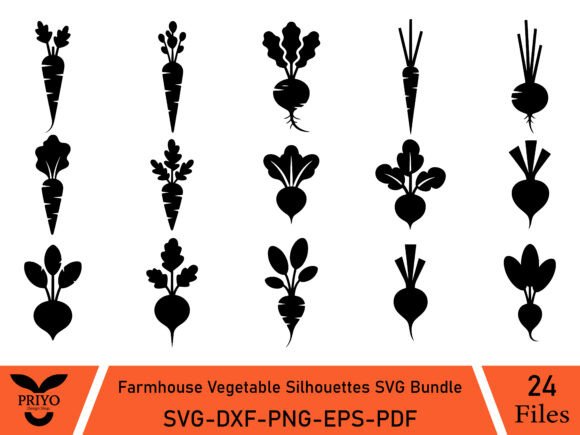
Opening the Farmhouse Vegetable Silhouettes SVG bundle feels like stepping into a sunlit kitchen pantry—warm, grounded, and uncluttered. These aren’t fussy botanical illustrations or hyper-realistic veggies. They’re confident silhouettes: a rounded carrot, a leafy beet, a compact cabbage, maybe a slender leek or squash—all drawn with intentional simplicity and balanced negative space. There’s no extraneous detail, no overlapping stems or tangled roots. That’s not a limitation—it’s a strength for embroidery. As a designer who’s stitched hundreds of client projects, I immediately recognize this as a *machine embroidery design* built for readability at small-to-medium scales, not just a graphic for print.
A Real-World Test: Embroidering a Linen Kitchen Towel Set
Last week, I prepped a batch of heavyweight linen tea towels for a local boutique—custom embroidered with seasonal motifs. I chose the Farmhouse Vegetable Silhouettes SVG for the “harvest” set: one towel with the carrot, another with the beet, each centered on the lower corner. Why? Because the clean outlines translate beautifully into satin stitch borders and smooth fill stitch interiors. No jagged edges. No tiny interior cutouts that would vanish under thread. On linen—a fabric with visible weave and moderate texture—the design held its shape without fighting the grain. Customers responded to the quiet authenticity: “It looks handmade, but polished,” one said. That’s the sweet spot: rustic enough for a farmhouse kitchen, refined enough for a wedding gift or boutique shelf.
Where It Shines (and Where It Asks for Thought)
The Farmhouse Vegetable Silhouettes SVG works exceptionally well for:
- Custom apparel: Sweatshirt embroidery (especially on midweight cotton blends), relaxed-fit t-shirts, and structured aprons—where silhouette clarity reads even from across a room.
- Embroidered patch creation: The shapes hold up beautifully when cut and heat-applied to denim jackets or canvas tote bags.
- Baby embroidery and nursery decor: Soft cabbage or carrot motifs on organic cotton onesies or pillow covers feel gentle, gender-neutral, and timeless—not cutesy or dated.
- Holiday embroidery and personalized gifts: Pair with simple script (“Harvest Blessings” or “Rooted in Love”) for Thanksgiving hostess gifts or spring baby showers.
- Small shop product differentiation: For Etsy sellers or craft fair vendors, this design adds cohesive, ownable branding to kitchen-themed merchandise—no stock clipart energy here.
But—and this is where experience matters—it needs thoughtful placement. Avoid it on:
- Curved surfaces like caps: The flat, wide silhouettes can distort if forced onto a tight crown curve without careful digitizing adjustments.
- Thin or highly stretchy fabric: Without proper stabilizer, those clean outer edges may waver or pucker. Always test on scrap first.
- Dark fabric with light thread: While elegant, fine inner details (like subtle leaf veins implied by negative space) can soften visually. Confirm contrast in your printable mockup and physical test stitch.
- Tiny hoop sizes under 4”: Some silhouettes lose presence when scaled too small. Stick to 3.5”–5” for optimal balance between impact and stitch integrity.
Design Integrity Meets Commercial Reality
As an embroidery product reviewer who’s vetted hundreds of digital embroidery files, I pay close attention to how a design affects perceived value. The Farmhouse Vegetable Silhouettes SVG elevates a plain tote bag from “generic” to “curated.” It signals care—not just in stitching, but in curation. That builds customer trust. When someone buys a hand-embroidered tea towel with this motif, they’re not just buying cotton; they’re buying intentionality. For Etsy sellers, that translates directly to higher conversion and repeat buyers. For craft businesses, it reinforces brand consistency across product lines—from patches to pillow covers—without needing custom illustration every time.
That said, don’t assume licensing covers all uses. Since the listing notes it’s ideal for “prints, t-shirt designs, mug making, posters, and many,” confirm whether the license permits commercial embroidery use, resale of finished items, or bundling in digital embroidery kits. A quick message to the seller avoids future friction—especially if you plan to list your own embroidered sweatshirts or digital design assets.
Practical Embroidery Designer Notes (From My Hoop to Yours)
Before committing to your next batch of custom apparel or holiday embroidery, run these checks:
- Test the design on scrap fabric—same weight and finish as your final project. Watch how fill stitch settles into the weave.
- Review stitch density: Too dense on lightweight cotton = stiff, bulky results. Too sparse on dark fabric = thread gaps show through.
- Confirm hoop size compatibility with your machine and intended placement (e.g., left chest vs. full back).
- Inspect small details in your embroidery software: Are interior negative spaces large enough to stitch cleanly? No micro-loops or fragile bridges.
- Try black-and-white mockups first—this design’s strength is tonal contrast, not color complexity.
- Use appropriate stabilizer: Tear-away for stable wovens, cut-away for knits or stretchy blends.
- Verify thread colors against your fabric swatch—not your screen. That “sage green” on screen may read muddy on oat linen.
In short: The Farmhouse Vegetable Silhouettes SVG isn’t flashy. It doesn’t need to be. Its power lies in restraint, rhythm, and real-world adaptability. Whether you’re stitching a single personalized gift or scaling production for your craft business, it delivers quiet professionalism—exactly what handmade products deserve.