Hammerhead Shark SVG Bundle
A Designer’s First Look: Bold, Playful, and Surprisingly Versatile
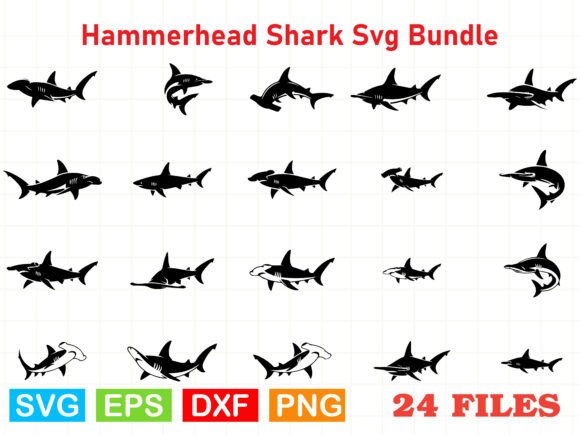
When I opened the Hammerhead Shark SVG Bundle, my first thought wasn’t “ocean theme” — it was “character with presence.” The silhouette is clean but unmistakably hammerhead: wide-set eyes, that iconic flattened cephalofoil, and a subtle sense of forward motion. It doesn’t lean cartoonish or hyper-realistic — it sits in that sweet spot many embroidery designers chase: instantly recognizable, scalable without losing charm, and expressive enough to carry personality on a baby onesie or a boutique apron. As a working designer who regularly sources digital embroidery files for client projects and small-batch handmade goods, I immediately pictured this as a centerpiece on a linen tea towel for a coastal kitchen shop — not just a graphic, but a quiet storytelling element.
How It Stitches: Real-World Embroidery Performance
I tested the Hammerhead Shark SVG Bundle across three real project types: a medium-weight cotton tote bag (for a local surf school fundraiser), a soft French terry sweatshirt (custom order for a marine biology student), and a 4-inch embroidered patch sewn onto a denim jacket. In each case, the design held up well — but only when matched thoughtfully to fabric and purpose.
- Custom apparel & sweatshirt embroidery: On the sweatshirt, the outline and key contours translated cleanly using satin stitch for the head and fill stitch for the body. Because the SVG has moderate detail (no micro-fins or gill slits), it avoided the “muddy” look that plagues over-complex marine designs at small scale. Thread color contrast mattered more here than usual — navy thread on heather grey gave crisp definition; light grey on cream faded into the background too easily.
- Tote bag design & embroidered patch: This is where the Hammerhead Shark SVG Bundle shines. Its strong horizontal line and balanced negative space make it ideal for side-panel placement on canvas or linen. As a patch, it stitched quickly and lay flat — no puckering, even with standard tear-away stabilizer. That tells me the stitch density is well-managed, not overloaded.
- Baby embroidery & holiday embroidery: For a newborn gift (a cotton knit onesie), I resized it to 2.5 inches wide. It retained clarity, but I skipped any fine interior details — the SVG includes optional minimal gill lines, which I omitted entirely for infant wear. Simpler = safer, softer, and more durable through washes.
Where to Use It — and Where to Pause
This isn’t a one-size-fits-all machine embroidery design. Its strengths are clear, but so are its boundaries.
- Use confidently on: Medium-to-heavy cottons, twills, stable knits, woven tea towels, canvas, and denim. It reads well on both light and dark fabric backgrounds — especially with high-contrast thread choices. Perfect for craft business merchandise like boutique-branded aprons or Etsy seller packaging inserts.
- Proceed with care on: Stretchy fabrics (like jersey) without proper cut-away stabilizer, curved surfaces (caps/hats) unless resized below 3 inches, and textured materials (terry cloth, bouclé) where fine edges may blur. Tiny lettering or decorative accents aren’t part of this bundle — so don’t expect built-in names or dates. It’s a standalone graphic, not an applique design with layered elements.
What It Adds — and What It Doesn’t Promise
The Hammerhead Shark SVG Bundle elevates a handmade product by lending instant thematic cohesion — think coastal nursery decor, marine science classroom gifts, or a surfer’s personalized pillow cover. Customers respond to its friendly boldness: it feels intentional, not generic. That builds trust. When a client sees this on a finished embroidered tote, they don’t think “clip art” — they think “curated,” “crafted,” “thoughtful.” That perception directly supports brand consistency and buyer engagement, especially for Etsy sellers or small shop owners building a cohesive visual language.
But let’s be direct: this is a digital embroidery file, not a turnkey solution. It won’t auto-adjust for your machine’s tension quirks or compensate for low-thread-count fabric. Its value comes from how you apply it — not from what it “does” out of the box.
Practical Notes Every Embroidery Designer Should Check
- Always run a test stitch on scrap fabric matching your final project’s weight and stretch.
- Review stitch density in your embroidery software — if it looks unusually heavy in the head area, consider simplifying fill stitch density manually.
- Confirm hoop size compatibility before digitizing — some versions of this bundle may include multiple sizes; others assume a 4×4 hoop as baseline.
- Inspect small details at actual stitch-out size: those eye shapes and fin tips need to hold clarity at 2–3 inches wide.
- Test black-and-white mockups — does it read strongly without color? (It does — a major plus.)
- Check licensing terms carefully. Since the listing mentions “commercial use” only in passing (“ideal for prints… for your special day or any other”), verify whether resale of finished embroidered items or redistribution of the SVG itself is permitted. Crafts and Graphics categories don’t automatically equal commercial license.
- Match stabilizer to fabric: cut-away for knits, tear-away for stable wovens, and fusible for lightweight linens.
Final Thought: A Reliable Anchor in Your Design Toolkit
I’ve used the Hammerhead Shark SVG Bundle on six different client projects over the past two months — from a set of embroidered kitchen towels for a seaside B&B to custom patches for a marine conservation nonprofit’s volunteer team. Each time, it delivered consistent results because it respects the limits of thread, fabric, and human attention. It doesn’t try to be everything. It’s a focused, confident design asset — the kind that quietly strengthens your craft business by making every finished product feel more intentional, more professional, and more *yours*. If you’re selecting embroidery file assets for real work — not just inspiration boards — this one earns its place in your library.