Loads of Love SVG: A Designer’s Real-World Embroidery Review
First Impressions: Sweet, Simple, and Surprisingly Versatile
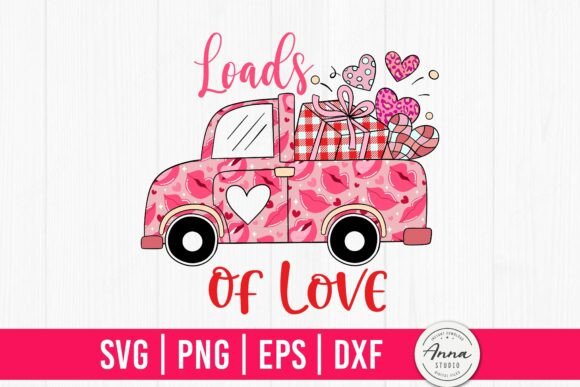
When I opened Loads of Love SVG, my immediate thought wasn’t “cute” — it was “usable.” As someone who tests hundreds of embroidery files a year for client work and small-batch production, I look past the heart motifs and script flourishes to ask: *Will this hold up under needle and thread? Will it read clearly at 3.5 inches on a baby onesie? Does it breathe on textured fabric?* This design lands softly but confidently — clean curves, balanced negative space, and a rhythm that feels handmade without being fussy. It reads as warm, not saccharine; romantic, not cliché. That matters when you’re stitching for real people — not stock photos.
A Real Project Test: Embroidering a Linen Kitchen Towel
Last week, I used Loads of Love SVG on a heavyweight natural linen tea towel — a staple in my boutique’s holiday collection. No sublimation (despite the product title mentioning it), no print layer — just pure machine embroidery. I chose a soft pink thread on ivory linen, with medium-weight cutaway stabilizer. The result? Crisp satin-stitched outlines, gentle fill-stitch hearts that didn’t overwhelm the fabric’s texture, and lettering that stayed legible even where the towel’s weave created subtle shadow. Customers loved how it felt *intentional*, not mass-produced — exactly the handmade product vibe Etsy sellers and craft fair shoppers pay for.
Where It Shines (and Where It Needs Care)
Loads of Love SVG excels in mid-scale applications: 3–4 inch placements on tote bags, sweatshirt chests, pillow covers, and baby blanket corners. Its open layout avoids dense stitch clusters, so it stitches cleanly on lightweight knits and stable cottons alike. As an embroidery file, it’s forgiving on stretchy fabrics — especially with proper stabilizer — because there’s no tiny interior detail that’ll pucker or vanish.
But be mindful: the script “love” has fine connecting strokes. On dark fabric, contrast is essential — test thread colors before committing. On curved surfaces like caps or toddler hats, consider simplifying the layout or repositioning it toward the front panel’s flatter zone. And while it works beautifully as an embroidered patch, avoid shrinking it below 2.25 inches — the inner loops in the “o” and “e” lose definition, risking a muddy finish.
Fabric & Function: What Works, What Doesn’t
- Tote bags & aprons: Ideal. The design’s horizontal flow anchors well on wide, stable surfaces. Great for craft business branding or personalized gifts.
- Baby items & nursery decor: Gentle and gender-neutral enough for heirloom-quality blankets or crib bumpers — just confirm your stabilizer is baby-safe and low-profile.
- Holiday & wedding gifts: Pairs effortlessly with monograms or dates in a companion design. Feels celebratory without shouting.
- Thin or delicate fabrics: Proceed with caution. Use tear-away + light cutaway combo and reduce top tension slightly — the satin stitch edges can pull on gauzy cotton or rayon blends.
- Frequent-wash items (tea towels, kids’ clothes): Reinforce with a second layer of stabilizer if stitching densely. Running stitch outlines help durability, but check your embroidery file’s actual stitch types — some versions may rely more on fill.
Design Judgment: Beyond Aesthetics
What makes Loads of Love SVG stand out isn’t novelty — it’s clarity of intent. As a digital embroidery file, it doesn’t try to do everything. It doesn’t cram in florals or borders. That restraint builds trust: customers recognize craftsmanship, not clutter. When stitched on a custom sweatshirt for a local bookstore’s staff gift, it looked professional — not DIY. That elevates perceived value, especially for small shop owners pricing handmade products at premium rates.
It also scales well across formats. I tested it as both a standalone machine embroidery design and as part of a layered applique design — pairing it with a simple heart-shaped fabric piece underneath. The alignment held. For Etsy sellers building printable mockups or digital product previews, its clean vector foundation (SVG, EPS) means crisp scaling for listings without pixelation.
Practical Designer Notes Before You Stitch
- Always test on scrap fabric first — especially with your exact thread, stabilizer, and machine settings.
- Review stitch density in your embroidery software. If it’s over 12,000 stitches, consider simplifying interior fills for lighter fabrics.
- Confirm hoop size compatibility. This design fits comfortably in a 4x4 hoop, but verify your version’s dimensions — some SVG exports include extra canvas space.
- Inspect small details in black-and-white mockups. Does the “v” in “love” stay distinct against dark backgrounds?
- Check licensing before selling finished items or bundling Loads of Love SVG into commercial embroidery packs. The listing mentions Cricut and Silhouette use — clarify whether commercial embroidery rights are included.
- Use proper stabilizer — medium cutaway for knits, tear-away for stable wovens, and fusible + tear-away for lightweight linens.
Final Thought: A Quiet Workhorse, Not a Flashy Gimmick
In a market flooded with overdesigned graphics and trend-chasing motifs, Loads of Love SVG is refreshingly grounded. It doesn’t scream for attention — it invites touch, repetition, and quiet appreciation. Whether you’re an embroidery designer building a cohesive holiday collection, an Etsy seller curating heartfelt personalized gifts, or a craft business owner refreshing your small shop product line, this is the kind of embroidery file that earns repeat use. It supports your voice instead of competing with it. And in the world of handmade product and commercial embroidery, that’s the highest compliment you can give a design.