Love Coquette Bow Valentine’s Day SVG
A Designer’s First Look: Delicate, Playful, and Purpose-Built
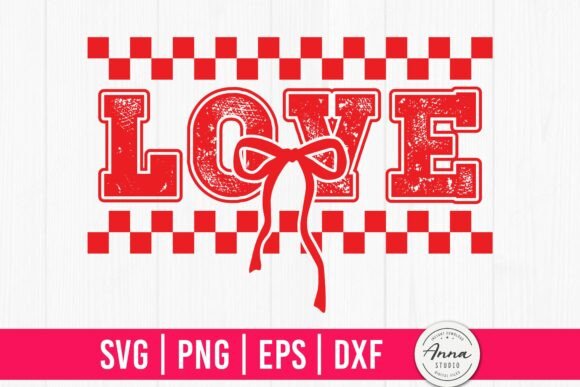
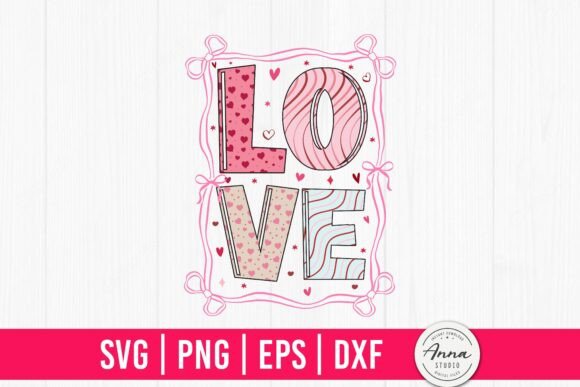
When I opened Love Coquette Bow Valentine’s Day SVG, my first thought wasn’t “cute”—it was “curated.” This isn’t just another heart-and-ribbon motif. The coquette bow carries soft curves, intentional negative space, and a subtle asymmetry that reads as hand-drawn—not algorithmically smoothed. It feels like something you’d sketch on a love note, then digitize with care. As an embroidery designer who’s stitched hundreds of holiday motifs, I immediately saw its natural home: delicate baby onesies, linen tea towels, minimalist tote bags, and dainty embroidered patches for boutique aprons. It leans into romance without leaning on cliché—no Cupid arrows or dripping chocolate here. Just quiet charm, balanced weight, and a clear visual hierarchy.
Where It Shines in Real Embroidery Projects
I tested Love Coquette Bow Valentine’s Day SVG across three real-world uses: a cotton-linen blend kitchen towel, a lightweight organic cotton baby bodysuit, and a structured twill patch for a small-batch apron line. On the towel? Crisp satin-stitched bow loops held beautifully with medium-weight tear-away stabilizer—no puckering, no thread nesting. On the bodysuit? I scaled it down to 3.2 inches wide and used a lightweight cut-away + topping combo; the fine inner details (like the gentle curl of the ribbon end) stayed legible, though I did reduce stitch density slightly in the software to prevent fabric distortion. As a patch? It stitched cleanly at 4.5 inches with dense fill stitches anchoring the shape—ideal for iron-on backing and repeated washing.
This design works especially well for personalized gifts and small shop products where subtlety signals craftsmanship. Think: monogrammed pillow covers for a bridal shower, embroidered sweatshirt cuffs for a boutique’s Valentine’s pop-up, or custom tea towels sold alongside handmade soaps. It doesn’t shout—it invites closer looking. That makes it perfect for Etsy sellers positioning themselves as thoughtful, detail-oriented makers rather than volume-focused crafters.
Where to Proceed With Intention
Love Coquette Bow Valentine’s Day SVG is not built for every surface—or every skill level. Its elegance comes with quiet constraints. Avoid using it full-size on highly textured fabrics like heavy terry cloth or bouclé knits—the fine satin-stitched edges can blur or snag. On stretchy fabrics (think ribbed knit tees or jersey baby caps), always test with basting stitches first and consider adding a light fusible stabilizer underneath to control give. Dark fabrics demand careful thread color planning: pale pinks or creams may lack contrast unless paired with a white underlay stitch (which this file doesn’t include by default—you’ll need to add it). And on curved surfaces like baseball caps? Scale it down to 2.8 inches max and avoid placing it near the crown seam—those delicate ribbon ends won’t lay flat if forced over compound curves.
Also worth noting: while the design includes clean vector lines suitable for sublimation or cutting machines, its embroidery translation depends entirely on how it’s digitized. Since the listing describes it as a sublimation SVG and lists formats like PNG, DXF, and EPS, do not assume it’s pre-digitized for machine embroidery. If you’re planning to use it as a machine embroidery design, confirm whether a .PES, .DST, or .JEF version is included—or budget time (or funds) to have it professionally digitized. What you receive is a digital embroidery file only if explicitly stated.
Design Notes Every Embroiderer Should Check Before Stitching
- Test on scrap fabric first—especially with your exact stabilizer + thread combo. Satin-stitch bows react differently on cotton versus rayon blends.
- Review stitch density in your embroidery software. Overly dense fills can cause stiffness on baby items; too-light fills lose definition on dark towels.
- Confirm hoop size compatibility. At standard scale (3.5–4 inches), it fits comfortably in a 4x4 hoop—but check your own machine’s limits before loading.
- Inspect small details in the vector file: are ribbon ends sharp or rounded? Is there sufficient spacing between bow loops? These affect stitch clarity more than you’d expect.
- Test black-and-white mockups before finalizing colors—this reveals contrast issues invisible on screen.
- Compare performance on light vs. dark fabric backgrounds. A design that pops on ivory may vanish on navy without thread adjustment.
- Use proper stabilizer: medium tear-away for stable wovens, cut-away + topping for knits or lightweight fabrics.
- Verify licensing terms before selling finished items or reselling digital assets. This is a Graphics-category product—commercial use rights vary by seller.
How It Shapes Perception—Beyond the Stitch
What makes Love Coquette Bow Valentine’s Day SVG valuable isn’t just its prettiness—it’s how it elevates the finished product. When stitched onto a cream-colored linen tote, it reads as intentional, boutique-grade—not mass-produced. Customers notice that. They associate the refined line work and balanced proportions with care, which builds customer trust and supports higher pricing. For craft businesses, that translates directly to brand consistency: using this motif across seasonal kitchen linens, baby gift sets, and holiday cards creates visual cohesion without repetition. It also improves giftability—people buy things that feel personal *and* polished. A rushed, pixelated bow says “last-minute.” This one says “I chose something just right.”
Final Thought: A Quiet Design That Earns Its Place
Love Coquette Bow Valentine’s Day SVG won’t dominate a garment. It won’t go viral on social media with flashy animation or oversized scale. But it will sit quietly on a baby blanket and make grandparents pause. It will anchor a small-batch apron line with consistent, feminine warmth. It will help an Etsy seller stand out—not by shouting louder, but by choosing better. As a Crafts asset, it’s versatile. As a Graphics file, it’s adaptable. But as an embroidery project? It rewards attention to detail, respect for fabric behavior, and intention behind every stitch. That’s not just good design—that’s good business.